English
- English
- Español
- Português
- русский
- Français
- 日本語
- Deutsch
- tiếng Việt
- Italiano
- Nederlands
- ภาษาไทย
- Polski
- 한국어
- Svenska
- magyar
- Malay
- বাংলা ভাষার
- Dansk
- Suomi
- العربية
- हिन्दी
- Pilipino
- Türkçe
- Gaeilge
- Indonesia
- Norsk
- تمل
- český
- ελληνικά
- український
- Javanese
- فارسی
- தமிழ்
- తెలుగు
- नेपाली
- Burmese
- български
- ລາວ
- Latine
- Қазақша
- Euskal
- Azərbaycan
- Slovenský jazyk
- Македонски
- Lietuvos
- Eesti Keel
- Română
- Slovenski
- मराठी
- Srpski језик

News
What Is an LED Micro-Grating Screen and Why Is It Transforming Modern Display Technology
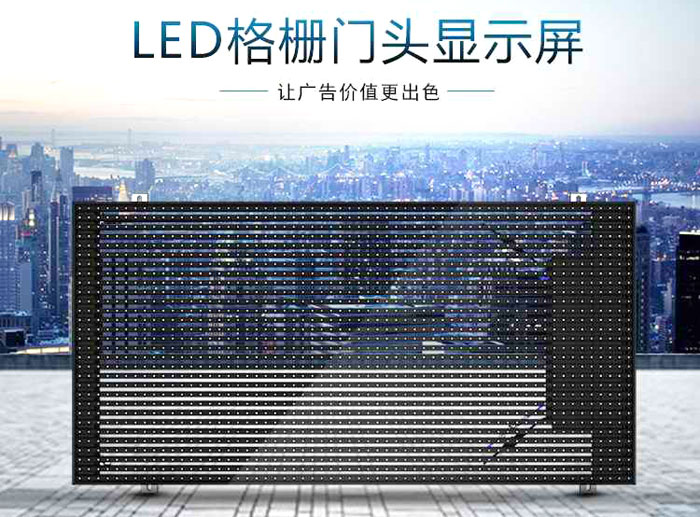
An LED micro-grating screen is an advanced transparent LED display solution that combines micro-scale grating structures with high-precision LED technology. Compared with traditional transparent LED screens, it delivers superior brightness, higher transparency, improved energy efficiency, and enhanced visual consistency.
This in-depth guide explains how LED micro-grating screens work, their key advantages, application scenarios, technical specifications, and how businesses can benefit from adopting this cutting-edge display technology. Whether you are an architect, system integrator, brand owner, or project contractor, this article will help you make informed decisions.

Table of Contents
- 1. What Is an LED Micro-Grating Screen?
- 2. How Does LED Micro-Grating Technology Work?
- 3. Key Advantages of LED Micro-Grating Screens
- 4. LED Micro-Grating Screen vs Traditional Transparent LED Screen
- 5. Main Application Scenarios
- 6. Technical Specifications Explained
- 7. How to Choose the Right LED Micro-Grating Screen
- 8. Future Trends of Micro-Grating Display Technology
- 9. Frequently Asked Questions (FAQ)
1. What Is an LED Micro-Grating Screen?
An LED micro-grating screen is a type of transparent LED display that utilizes micro-level grating structures embedded within the screen panel. These gratings precisely control light transmission and reflection, allowing the display to maintain high brightness while preserving exceptional transparency.
Unlike conventional LED transparent screens that rely on widely spaced LED strips, micro-grating screens use ultra-fine optical structures to guide light more efficiently. This results in a cleaner visual appearance, reduced moiré effects, and better integration with architectural glass surfaces.
2. How Does LED Micro-Grating Technology Work?
The working principle of an LED micro-grating screen is based on precision optical engineering. Each micro-grating unit is designed to:
- Direct LED light toward the viewer
- Minimize light leakage and diffusion
- Maximize transparency when the screen is not active
By aligning LEDs with micro-grating structures, the display achieves a balance between:
- High luminance (even under strong ambient light)
- High transparency (up to 90% in some designs)
- Low power consumption
3. Key Advantages of LED Micro-Grating Screens
3.1 Superior Transparency and Aesthetics
Micro-grating screens blend seamlessly into glass façades, making them ideal for modern architecture, luxury retail, and exhibition spaces.
3.2 High Brightness with Low Energy Use
Thanks to efficient light control, LED micro-grating screens can achieve high brightness levels while consuming less energy than traditional LED displays.
3.3 Reduced Visual Noise
The micro-structured design minimizes visual artifacts such as pixelation, glare, and reflections.
3.4 Lightweight and Modular Design
- Easier installation
- Lower structural load
- Flexible customization
4. LED Micro-Grating Screen vs Traditional Transparent LED Screen
| Feature | LED Micro-Grating Screen | Traditional Transparent LED Screen |
|---|---|---|
| Transparency | Very High (up to 90%) | Medium (60%–75%) |
| Brightness Efficiency | High | Moderate |
| Visual Uniformity | Excellent | Average |
| Energy Consumption | Lower | Higher |
| Architectural Integration | Seamless | Limited |
5. Main Application Scenarios
LED micro-grating screens are widely used in:
- Retail storefront windows
- Commercial building façades
- Shopping malls and atriums
- Exhibition halls and museums
- Transportation hubs
Companies like Allenson integrate micro-grating LED displays into customized solutions that align technology with architectural design.
6. Technical Specifications Explained
| Parameter | Typical Range |
|---|---|
| Pixel Pitch | 2.5mm – 10mm |
| Transparency Rate | 70% – 90% |
| Brightness | 3000 – 6000 nits |
| Viewing Angle | Up to 160° |
| Power Consumption | Low to Medium |
7. How to Choose the Right LED Micro-Grating Screen
Before selecting a supplier or product, consider:
- Project environment (indoor vs outdoor)
- Required transparency and brightness
- Structural and installation conditions
- After-sales support and customization capability
Working with experienced manufacturers like Allenson ensures stable quality, technical support, and long-term reliability.
8. Future Trends of Micro-Grating Display Technology
The future of LED micro-grating screens points toward:
- Higher pixel density
- Smarter control systems
- Integration with smart buildings
- Lower carbon footprint
As display technology evolves, micro-grating solutions will play a key role in immersive and transparent visual communication.
9. Frequently Asked Questions (FAQ)
Q1: Is an LED micro-grating screen suitable for outdoor use?
Yes. With proper brightness levels and weatherproof design, it performs well in outdoor environments.
Q2: How long is the lifespan of a micro-grating LED screen?
Typically over 100,000 hours, depending on usage and maintenance.
Q3: Can the screen be customized?
Absolutely. Size, transparency, brightness, and control systems can all be customized.
Q4: Is maintenance complicated?
No. Modular design allows for quick replacement and easy maintenance.
Conclusion
The LED micro-grating screen represents a major leap forward in transparent display technology. By combining aesthetics, performance, and efficiency, it opens new possibilities for architecture, retail, and digital communication.
If you are planning a next-generation display project and want expert guidance, contact us at Allenson to explore tailored LED micro-grating screen solutions that bring your vision to life.
Related News
- What are the advantages of purchasing outdoor LED displays directly from the manufacturer?
- How to Choose a Manufacturer for Stadium LED Displays: Key Tips for Avoiding Pitfalls in Project Procurement?
- How Do Stadium LED Displays Balance Viewing Quality and Durability?
- How to Choose an LED Floor Tile Display for Stage Interactions?
- What advantages can you gain by purchasing flexible LED displays directly from the manufacturer?
- What Makes Antibacterial Toilet Bowl Cleaner Essential for a Hygienic Bathroom?
Leave me a message