English
- English
- Español
- Português
- русский
- Français
- 日本語
- Deutsch
- tiếng Việt
- Italiano
- Nederlands
- ภาษาไทย
- Polski
- 한국어
- Svenska
- magyar
- Malay
- বাংলা ভাষার
- Dansk
- Suomi
- العربية
- हिन्दी
- Pilipino
- Türkçe
- Gaeilge
- Indonesia
- Norsk
- تمل
- český
- ελληνικά
- український
- Javanese
- فارسی
- தமிழ்
- తెలుగు
- नेपाली
- Burmese
- български
- ລາວ
- Latine
- Қазақша
- Euskal
- Azərbaycan
- Slovenský jazyk
- Македонски
- Lietuvos
- Eesti Keel
- Română
- Slovenski
- मराठी
- Srpski језик

News
Transparent LED Displays: Aesthetics and Performance Combined? These Advantages Can't Be Hidden
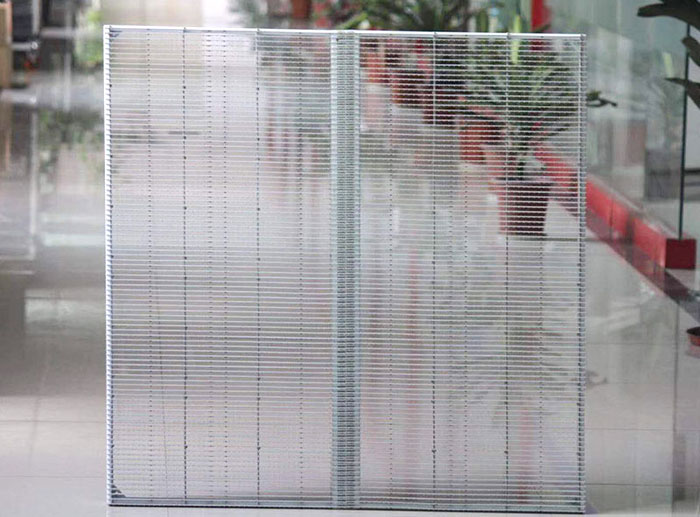
In today's era swept by the digital wave, traditional displays struggle to meet people's dual demands for visual experiences and spatial aesthetics. Transparent LED Display, with its unique charm of “invisible technology,” is quietly revolutionizing established norms in commercial exhibitions, stage arts, architectural decoration, and beyond. It resembles a transparent pane of glass, allowing light and sight to pass freely, yet can instantly transform into a dynamic canvas, captivating attention with stunning visual effects. How does Transparent LED Display achieve this perfect balance of ‘aesthetics’ and “performance”? Its six hidden core advantages may hold the key to its rise as the industry's new darling.

1. High Light Transmittance and Visual Integration
Transparent LED Display achieves light transmittance ranging from 60% to 90%, with some premium models reaching up to 95%. This characteristic allows it to display dynamic imagery while maintaining environmental transparency, creating a visual effect where “people are within the screen, and the screen is within people.” For instance, when applied to shopping mall glass curtain walls or storefront windows, consumers can clearly view merchandise while being captivated by dynamic advertisements, enhancing the shopping experience.
2. Slim Design and Space Optimization
Transparent LED displays feature perforated or mesh designs, with mainboard thickness typically ranging from 8mm to 1cm and extremely lightweight. This construction not only reduces structural load requirements but also facilitates installation and maintenance. For instance, in stage design, transparent screens can be shaped into diverse configurations to create perspective effects and extend visual depth. They also leave space for lighting installations and effects, enhancing the stage atmosphere.
III. Energy Efficiency and Cost-Effectiveness
Transparent LED Display averages less than 280W/㎡ in power consumption, eliminating the need for traditional cooling systems or air conditioning for heat dissipation. This results in over 30% greater energy efficiency compared to conventional LED displays. Furthermore, only the active display areas emit light during content playback, while inactive sections remain dark, further reducing energy usage. For venues like shopping malls, installing Transparent LED Display also saves on exterior wall lighting costs while generating revenue through advertising benefits.
IV. Flexible Customization and Creative Expression
Transparent LED Display can adjust pixel pitch, brightness, size, and shape according to application scenarios and requirements, supporting custom shapes. For instance, in science museums and galleries, transparent screens serve as high-tech display solutions, delivering unique visual effects through bespoke designs. In stage performances, the screen's flexibility provides artists and designers with expanded creative tools, driving innovation in stage arts and entertainment.
V. Wide Range of Applications
Commercial Displays: In malls, shopping centers, and chain stores, Transparent LED Displays can be integrated into glass curtain walls, product showcases, and glass partitions to broadcast stunning advertising videos and promotional messages, elevating the venue's sophistication and appeal.
Stage Design: At concerts, plays, and dance performances, Transparent LED Display integrates with stage scenery and lighting effects to create dreamlike atmospheres.
Science Museums & Museums: Custom-shaped Transparent LED Display serves as high-tech exhibits to disseminate scientific knowledge and cultural heritage.
Architectural Media: In glass curtain wall buildings, Transparent LED Display maintains near-zero impact on transparency and daylight penetration during the day. At night, it transforms into a dazzling display of vibrant visuals, elevating urban charm.
Transportation Facilities: Installed on large glass windows at airports, train stations, subway stations, and bus stops, Transparent LED Display can broadcast transit information, advertisements, and announcements. It saves space while delivering a modern design aesthetic.
Restaurant Decor: High-end restaurants can incorporate Transparent LED Display as design elements in windows or partitions, showcasing brand promotions or menu introductions without disrupting overall operations.
In summary, from traffic engines in commercial spaces to creative canvases for stage arts, from futuristic windows in tech venues to visual symbols of urban landmarks, Transparent LED Display is redefining human-space interaction with its “invisible yet powerful” presence. They not only shatter the physical boundaries of traditional displays but also unlock new dimensions of design freedom and commercial value through advantages like high light transmission, lightweight construction, and low energy consumption.
Related News
- What are the advantages of purchasing outdoor LED displays directly from the manufacturer?
- How to Choose a Manufacturer for Stadium LED Displays: Key Tips for Avoiding Pitfalls in Project Procurement?
- How Do Stadium LED Displays Balance Viewing Quality and Durability?
- How to Choose an LED Floor Tile Display for Stage Interactions?
- What advantages can you gain by purchasing flexible LED displays directly from the manufacturer?
- What Makes Antibacterial Toilet Bowl Cleaner Essential for a Hygienic Bathroom?
Leave me a message