News

News

How important is the trend toward energy efficiency in LED displays?

2025-12-04 0 Leave me a message

The energy efficiency trend of LED displays has undeniable importance in today's social and industrial fields. Its impact permeates multiple dimensions-environmental protection, economic benefits, technological progress, policy direction, and user experience-becoming a key force driving the industry's transformation. Let's explore this with Allenson's editors.


The energy efficiency trend of LED displays has undeniable importance in today's social and industrial fields. Its impact permeates multiple dimensions-environmental protection, economic benefits, technological progress, policy direction, and user experience-becoming a key force driving the industry's transformation. Let's explore this with AllenSon's editors. From an environmental point of view, as a high-energy-consuming device, LED display power consumption is directly related to carbon emissions. According to statistics, the global LED display power consumption accounts for 10%-15% of the total energy consumption of commercial buildings. Energy-saving measures could significantly reduce this proportion and contribute to achieving global carbon neutrality. At the same time, energy-efficient technologies reduce dependence on fossil fuels, reduce pressure on energy supplies and reduce environmental pollution, such as air and water pollution, caused by energy production.


In terms of economic benefits, energy efficiency is of great significance to commercial space. The power cost of LED displays usually accounts for 15%-20% of operating expenses, and energy-saving technologies can significantly reduce this expenditure. For example, the use of low-power driver chips and intelligent dimming systems can reduce energy consumption by 30%-50%, resulting in a significant increase in long-term return on investment. In addition, many countries provide subsidies or tax incentives for energy-efficient products, further reducing user procurement costs and accelerating market adoption.


Technically, the trend of energy conservation promotes industrial upgrading and innovation. The company has invested heavily in developing more efficient LED chips (e.g. Mini/Micro LED), new heat dissipation materials (e.g. Graphene) and low-power driver technologies to drive technological advances throughout the supply chain. At the same time, combining energy efficiency with intelligent controls (e.g. sensors, AI dimming) enables demand-based power delivery, such as automatically adjusting brightness according to ambient light, thus preventing energy waste. In addition, energy-efficient designs often incorporate higher-level thermal management and power systems, extending equipment life and reducing replacement frequency.


In terms of policy, global LED display energy efficiency standards continue to tighten. Major markets, including the EU, the US and China, have strict energy efficiency regulations in place, with non-compliant products facing sales bans or fines. At the same time, government agencies and large enterprises give priority to purchasing energy-saving products, create market incentives, and accelerate the energy-saving transformation of enterprises. In addition, carbon trading requires energy-intensive firms to purchase carbon credits. Energy efficiency reduces carbon footprint and reduces carbon transaction costs.


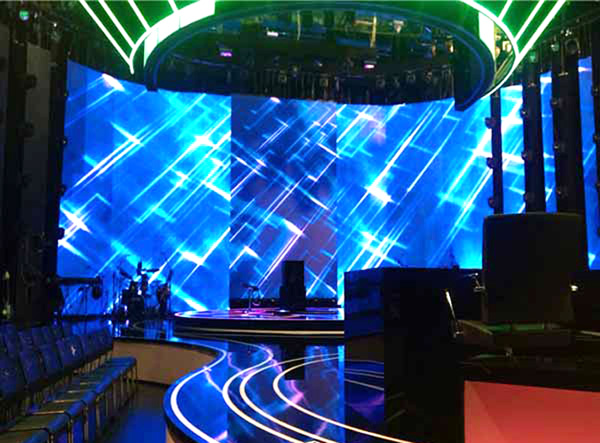
In terms of user experience, energy efficiency has led to significant improvements. Energy-saving LED displays use intelligent dimming technology to reduce light pollution and reduce the environmental and health effects of excessive lighting. In outdoor advertising and stage performances, energy-saving technologies can enhance the visual experience by enabling more flexible brightness control while maintaining image quality. In addition, the energy-saving design enhances the flexibility of the system, ensuring that the LED display continues to operate during peak grid loads or emergencies.


From a social perspective, companies that adopt energy-efficient LED displays demonstrate environmental commitment, enhance brand reputation, and attract environmentally conscious consumers and partners. Energy efficiency practices at leading companies drive industry-wide adoption, foster healthy competition, and drive a green transformation across the supply chain. For example, an international brand's large-scale LED advertising screen in Times Square in New York significantly reduced annual electricity consumption and carbon emissions through energy-saving technologies. Similarly, LED displays at Beijing Winter Olympic venues feature intelligent dimming systems that balance high energy efficiency with a premium visual experience.


In general, the energy-saving trend of LED displays not only represents technological progress, but also an inevitable choice to cope with the global climate crisis, reduce operating costs, meet policy requirements, enhance user experience, and shape corporate image. With the continuous improvement of energy efficiency standards and the enhancement of consumer environmental awareness, energy efficiency will become the core competitive advantage of the LED display industry, promoting a deeper transformation of the industry towards green and sustainable development.
Related News
Leave me a message
X
We use cookies to offer you a better browsing experience, analyze site traffic and personalize content. By using this site, you agree to our use of cookies. Privacy Policy
RejectAccept