English
- English
- Español
- Português
- русский
- Français
- 日本語
- Deutsch
- tiếng Việt
- Italiano
- Nederlands
- ภาษาไทย
- Polski
- 한국어
- Svenska
- magyar
- Malay
- বাংলা ভাষার
- Dansk
- Suomi
- العربية
- हिन्दी
- Pilipino
- Türkçe
- Gaeilge
- Indonesia
- Norsk
- تمل
- český
- ελληνικά
- український
- Javanese
- فارسی
- தமிழ்
- తెలుగు
- नेपाली
- Burmese
- български
- ລາວ
- Latine
- Қазақша
- Euskal
- Azərbaycan
- Slovenský jazyk
- Македонски
- Lietuvos
- Eesti Keel
- Română
- Slovenski
- मराठी
- Srpski језик

News
How Do Stadium LED Displays Balance Viewing Quality and Durability?
Stadiums present unique environmental challenges, including exposure to sunlight and rain, as well as significant temperature fluctuations between day and night. At the same time, the screens must meet the needs of the entire audience, such as long-distance viewing, slow-motion replays, and score displays. When selecting a stadium LED display, it is essential to strike a balance between a high-definition viewing experience and long-term outdoor durability; one should not solely pursue image quality or prioritize protection at the expense of display performance.

To ensure a high-quality viewing experience, it is essential to optimize brightness, viewing angle, and color reproduction. Since most stadiums are open-air venues, direct sunlight hits the screen during the day; a screen with low brightness will appear washed out and illegible. Therefore, a stadium LED display must deliver high brightness to remain clearly visible even in direct sunlight. Additionally, a wide viewing angle design ensures that spectators in different seats and at varying heights and angles can see a uniform and consistent image without color distortion or dimming. Color reproduction is equally critical. During live event broadcasts, athlete close-ups, and slow-motion replays, true-to-life and vibrant colors provide the live audience with an immersive viewing experience. A sufficiently high screen refresh rate eliminates motion blur in fast-moving scenes and prevents the appearance of scan lines during broadcast filming, meeting the dual demands of both on-site viewing and live camera coverage.
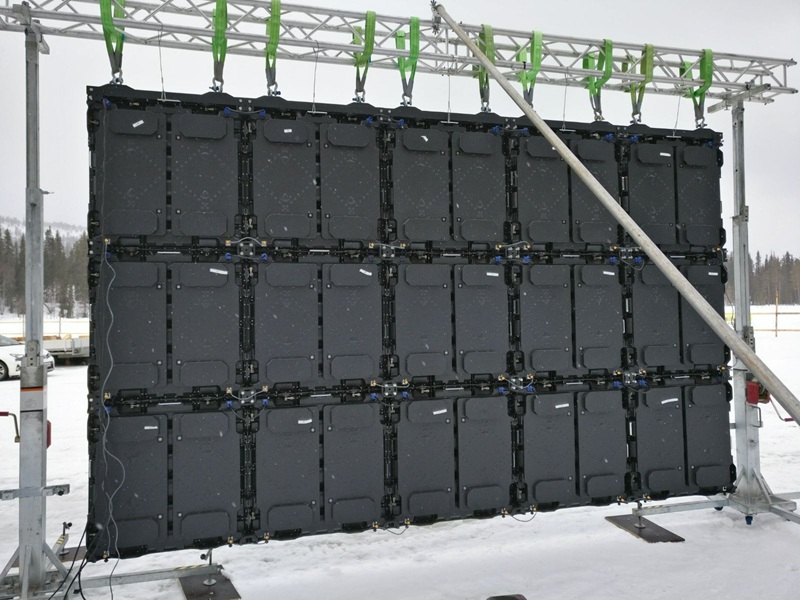
Durability is the foundation of the Stadium LED Display’s stable operation, as outdoor venues are constantly exposed to wind, rain, dust, and extreme temperature fluctuations throughout the year. Screen modules require high-standard dustproof and waterproof protection to withstand rain, dew, and dust erosion, thereby safeguarding internal circuitry. The cabinet is constructed from anti-aging, corrosion-resistant materials that adapt to extreme temperature fluctuations between winter and summer, preventing structural deformation and LED damage caused by thermal expansion and contraction. Additionally, effective heat dissipation design is essential; prolonged operation under intense light generates significant heat, and an efficient cooling system rapidly dissipates this heat to prevent screen failures caused by high temperatures, ensuring continuous and stable display throughout the entire event.
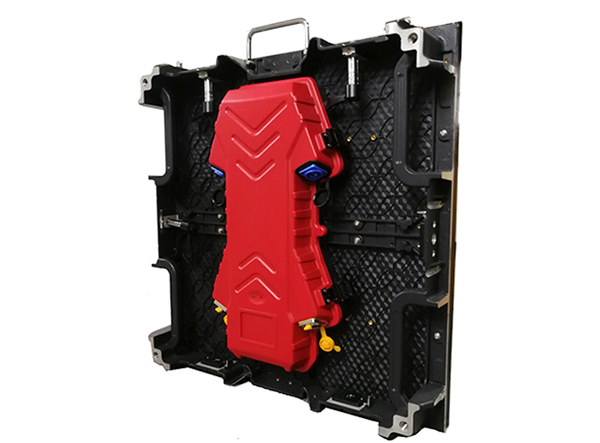
Furthermore, the structural design must prioritize ease of maintenance. Given the large size of the Stadium LED Display, post-installation maintenance is critical. The cabinet supports single-point module maintenance, allowing for the replacement of individual modules in the event of a failure without dismantling the entire screen, thereby reducing maintenance time and costs. Power supplies and control systems are equipped with redundant backups, enabling seamless switching in the event of a critical component failure and preventing screen blackouts or interruptions during the event.
Overall, the Stadium LED Display delivers a premium viewing experience through high brightness and wide viewing angles, while its protective casing, thermal management, and reinforced structure ensure long-term stability and durability. This dual-pronged approach enables it to consistently present stunning, crystal-clear images of the action for sporting events. The Allenson Stadium LED Display combines a high-definition viewing experience with all-weather durability, making it suitable for a wide range of stadiums and arenas, and reliably meeting the demands of live event broadcasts and score displays.
Related News
- How to Choose an LED Floor Tile Display for Stage Interactions?
- What advantages can you gain by purchasing flexible LED displays directly from the manufacturer?
- What Makes Antibacterial Toilet Bowl Cleaner Essential for a Hygienic Bathroom?
- What Makes a P6 Rental Display Screen the Right Choice for Large Events?
- How Can p2 Fine-Pitch LED Display Modules Transform Indoor Visual Experiences with Ultra-Clear Image Quality
- Indoor or Outdoor: How to Select Rental LED Display?
Leave me a message