English
- English
- Español
- Português
- русский
- Français
- 日本語
- Deutsch
- tiếng Việt
- Italiano
- Nederlands
- ภาษาไทย
- Polski
- 한국어
- Svenska
- magyar
- Malay
- বাংলা ভাষার
- Dansk
- Suomi
- العربية
- हिन्दी
- Pilipino
- Türkçe
- Gaeilge
- Indonesia
- Norsk
- تمل
- český
- ελληνικά
- український
- Javanese
- فارسی
- தமிழ்
- తెలుగు
- नेपाली
- Burmese
- български
- ລາວ
- Latine
- Қазақша
- Euskal
- Azərbaycan
- Slovenský jazyk
- Македонски
- Lietuvos
- Eesti Keel
- Română
- Slovenski
- मराठी
- Srpski језик

News
How to Choose an Indoor LED Display Without Making a Mistake? Be Sure to Check These Points
Indoor LED displays for conference rooms, live streaming studios, and exhibition halls have long evolved from a “nice-to-have” to an essential requirement. However, with the market flooded with products featuring inconsistent specifications and wide price variations, many customers have fallen into the trap of “low price, low quality,” resulting in frequent malfunctions within less than six months. Today, drawing on industry experience, the Allenson editorial team will help you sort through the key considerations for purchasing—so you’ll never make a wrong choice again!
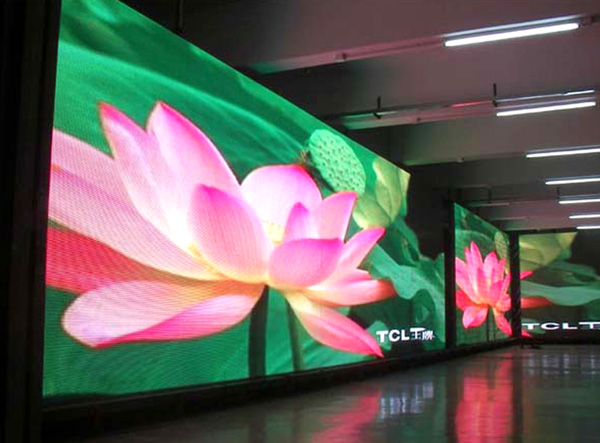
I. Identify Core Specifications First: Avoid Misleading Claims
Don’t be fooled by vendors’ “gimmicky specs”—these hard metrics are what really matter:
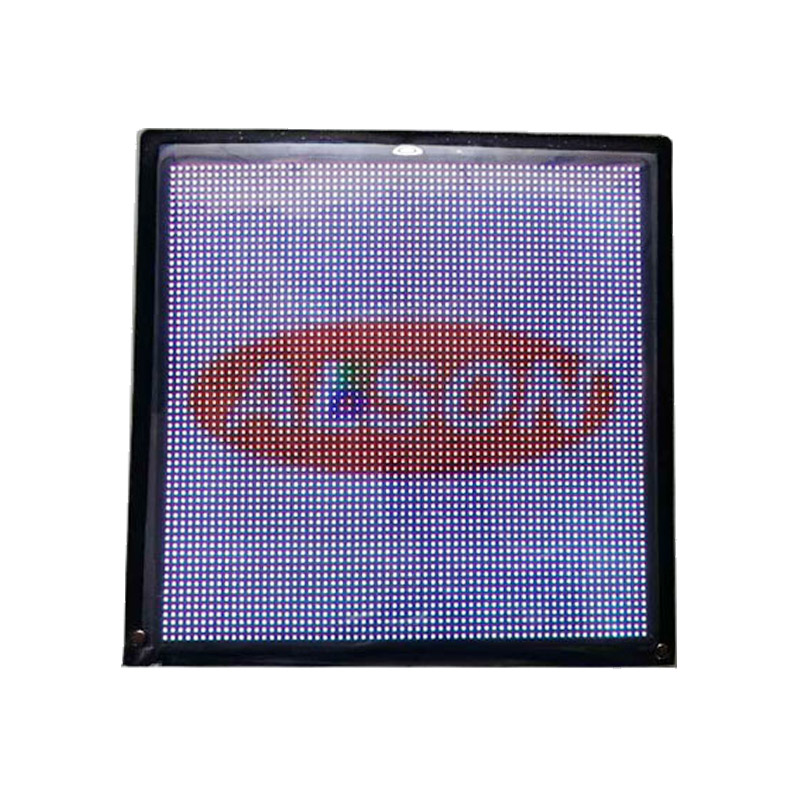
Pixel Pitch: Determines image clarity. For close-viewing environments like meeting rooms and live streaming studios, prioritize small-pitch screens (P1.25–P1.8) to avoid a grainy appearance; for medium-to-long-distance viewing in exhibition halls and retail stores, P2.0–P2.5 screens offer better value for money. All ALSON products feature genuine physical pixel pitch with no interpolated or inflated specifications, ensuring guaranteed clarity.
Brightness and Contrast: For indoor screens, a brightness of 500–1000 cd/m² is suitable; for meeting rooms, 600–800 cd/m² is recommended to avoid a washed-out or glaring display. A contrast ratio of ≥3000:1 ensures purer blacks and distinct layers when displaying PPTs or videos. ALSON calibrates brightness according to specific scenarios before shipment to prevent compatibility issues.
Color Accuracy: High-quality screens achieve an NTSC color gamut coverage of over 90%, ensuring no color deviation or distortion. ALSON employs pixel-by-pixel calibration technology to ensure uniform color across the entire screen, faithfully reproducing corporate promotional videos and product displays.
II. Focus on Hardware Configuration—Durability Is Key
The stability and lifespan of indoor LED displays rely entirely on their core components:
LED Chips: These are the “eyes” of the screen and determine the rate of brightness decay. Indoor LED displays use high-end chips from renowned brands, maintaining over 80% of their initial brightness even after 5 years of use, thereby preventing dim or dead pixels.
Power Supply and Control System: An unstable power supply can easily cause black screens or screen flickering. Indoor LED Displays come standard with branded power supplies featuring multiple layers of protection; the control system supports a refresh rate of ≥3840Hz, ensuring smooth live streaming and filming without ripples, and includes redundant backup, so a single-channel failure does not affect the display.
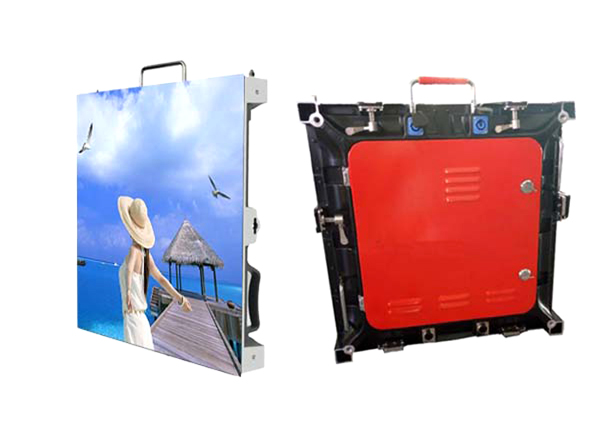
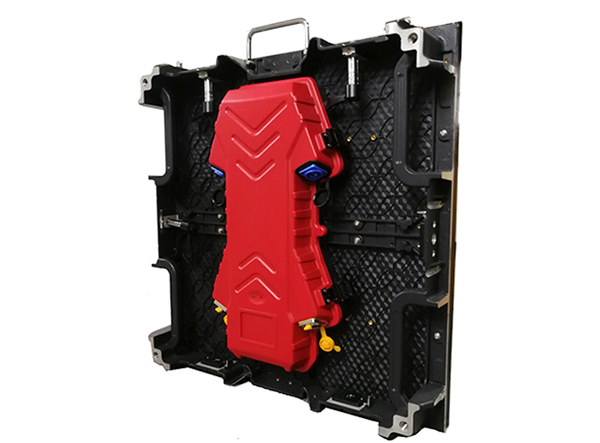
Enclosure and Heat Dissipation: Poor heat dissipation during prolonged operation accelerates LED chip aging. The Indoor LED Display’s aluminum cabinet offers excellent thermal conductivity. Combined with an optimized heat dissipation structure, it is lightweight, slim, and easy to install, suitable for both suspended and wall-mounted installations.
III. Tailor to Your Needs: Choose What’s Right, Not What’s Expensive
Instead of blindly following trends and opting for high-end models, choose practical options suited to your specific application:
For conference rooms, prioritize front-and-back maintenance models to avoid dismantling the entire screen for future repairs;
For live streaming studios, prioritize high refresh rates and accurate color reproduction to prevent image distortion;
For exhibition hall displays, balance clarity with stability to support continuous, long-term playback.
In summary, as a direct manufacturer, ALSON provides one-stop service from product selection and installation to after-sales support. We help you avoid low-price traps and select a stable, durable Indoor LED Display that perfectly suits your application, ensuring every penny of your budget is spent wisely.
Related News
- What are the advantages of purchasing outdoor LED displays directly from the manufacturer?
- How to Choose a Manufacturer for Stadium LED Displays: Key Tips for Avoiding Pitfalls in Project Procurement?
- How Do Stadium LED Displays Balance Viewing Quality and Durability?
- How to Choose an LED Floor Tile Display for Stage Interactions?
- What advantages can you gain by purchasing flexible LED displays directly from the manufacturer?
- What Makes Antibacterial Toilet Bowl Cleaner Essential for a Hygienic Bathroom?
Leave me a message