English
- English
- Español
- Português
- русский
- Français
- 日本語
- Deutsch
- tiếng Việt
- Italiano
- Nederlands
- ภาษาไทย
- Polski
- 한국어
- Svenska
- magyar
- Malay
- বাংলা ভাষার
- Dansk
- Suomi
- العربية
- हिन्दी
- Pilipino
- Türkçe
- Gaeilge
- Indonesia
- Norsk
- تمل
- český
- ελληνικά
- український
- Javanese
- فارسی
- தமிழ்
- తెలుగు
- नेपाली
- Burmese
- български
- ລາວ
- Latine
- Қазақша
- Euskal
- Azərbaycan
- Slovenský jazyk
- Македонски
- Lietuvos
- Eesti Keel
- Română
- Slovenski
- मराठी
- Srpski језик

News
Transparent LED displays look cool, but how do they perform in real-world use?
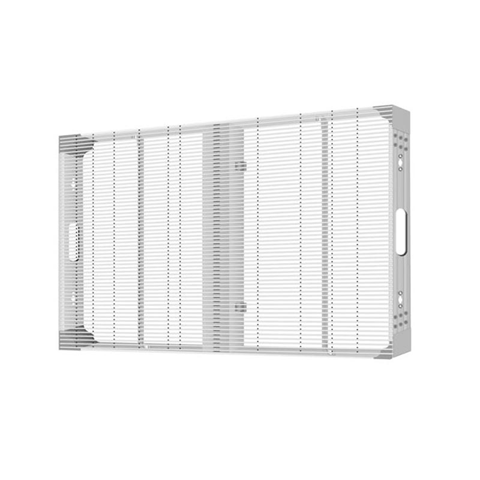
Transparent LED displays have gained traction in commercial exhibitions, stage design, and architectural decoration in recent years due to their light-transmitting properties and slim structure. Their core advantage lies in seamlessly integrating displayed content with the background environment, though practical effectiveness requires comprehensive evaluation of technical specifications, application scenarios, and cost factors. This article by Allenson analyzes the practical value of transparent LED displays across display performance, installation/maintenance, suitable applications, and limitations.
I. Core Advantages: Dual Breakthroughs in Visual and Functional Performance
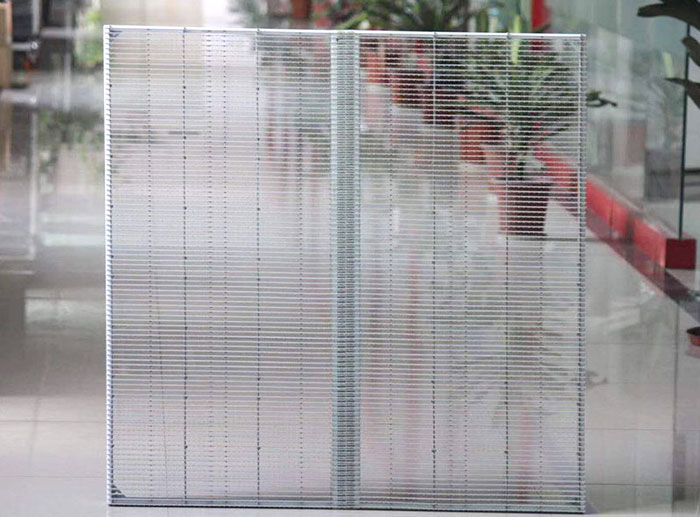
High Light Transmittance, Exceptional Spatial Transparency
Transparent LED displays achieve light transmittance ranging from 50% to 90%, with premium models exceeding 95%. This characteristic enables dynamic content display without compromising visibility of objects behind the screen. When installed on glass curtain walls, storefront windows, or stage backdrops, they simultaneously project advertisements or videos while preserving ambient lighting and unobstructed views, creating a futuristic “invisible display” effect.
Slim Design, Easy Installation & Maintenance
The main display board is typically only 8-10mm thick and lightweight (approx. 12kg/㎡). Installation requires no complex support structures—it can be directly bonded to glass or mounted on a frame, saving space and costs. Maintenance involves replacing individual light strips or modules without dismantling the entire unit, ensuring safe and efficient indoor operations.
Energy-Efficient and Eco-Friendly with Low Long-Term Costs
Average power consumption is less than 280W/㎡, achieving over 30% energy savings compared to traditional LED displays. Its partial-area illumination mode consumes minimal power when not displaying content. Additionally, it requires no cooling system, further reducing energy consumption and carbon emissions.
Flexible operation with convenient content updates
Supports Ethernet and remote wireless cluster control, enabling instant content changes to meet dynamic advertising and information dissemination needs. For instance, mall storefronts can adjust visuals in real-time for promotions, boosting marketing efficiency.
II. Application Scenarios: Merging Commerce and Art
Commercial Displays: Elevating Brand Image and Foot Traffic
Glass Curtain Wall Advertising: Large malls and brand boutiques use transparent screens to display dynamic ads, capturing pedestrian attention while preserving architectural transparency.
Window Displays: Fashion brands showcase new collections or runway shows on transparent screens, replacing static posters to enhance interactivity and visual impact.
Digital Signage: Provides real-time information navigation in hotels, hospitals, and other venues, balancing functionality with aesthetics.
Stage Design: Creating Immersive Experiences
Transparent screens can be constructed to match stage structures, producing perspective effects that extend depth of field while preserving space for lighting and set design. For instance, at concerts, transparent screens combined with lighting create dreamlike atmospheres; in theatrical performances, layered displays enhance narrative depth.
Architectural Decoration: The Fusion of Technology and Art
Integrated with glass curtain walls and partitions, they elevate a building's modern aesthetic. For instance, art centers use transparent screens to display dynamic artworks, transforming the building itself into a visual focal point.
Outdoor Scenarios: Breakthroughs in Waterproof Transparent Screens
Outdoor transparent screens require IP65 waterproof standards to withstand heavy rain and dusty environments. For example, LED displays in commercial streets show promotional content without obstructing indoor lighting or outdoor views. They remain clear and glare-free during the day, while offering moderate brightness at night without causing eye strain.
III. Limitations: Trade-offs to Consider
Limited Viewing Angles Affect Experience
Some products exhibit varying viewing angles vertically, potentially altering the perforated effect. Horizontal viewing angles may show color shifts, impacting uniformity across multiple perspectives.
Display Quality Affected by Ambient Light
Under strong sunlight, transparent screens may display unclear content or reflections. Optimizing brightness or employing anti-reflective technology is necessary.
Limited Customization
Certain products' unique structures may hinder customization for specific shapes or sizes, necessitating advance planning of installation space.
Higher Cost with Significant Initial Investment
Compared to traditional LED displays, Transparent LED displays carry higher prices due to technological complexity and material costs. However, long-term energy savings and maintenance advantages partially offset initial expenditures.
In summary, transparent LED displays excel in light transmittance, energy efficiency, and spatial adaptability, making them ideal for scenarios requiring both display functionality and environmental transparency—such as glass curtain wall advertising, stage backdrops, and digital signage. However, issues like viewing angle uniformity, ambient light interference, and initial costs still warrant attention. As technology evolves, the display quality and cost-effectiveness of transparent LED displays are expected to improve further, offering more practical solutions for the industry.
Related News
- Installing Large Screens on Glass Curtain Walls? Why Do So Many Choose Transparent LED Displays?
- Why Choose Transparent LED Screens First for Advertising on Shopping Mall Glass Curtain Walls?
- Why Is a Double-Sided LED Display Becoming a Smarter Choice for High-Impact Outdoor Advertising
- Having trouble choosing a double-sided LED display? Read this article to say goodbye to blind purchasing.
- How to Choose a Custom-Shaped Large Screen? Key Considerations for Circular LED Display Applications and Selection
- Curtain Wall Renovation: How to Avoid Pitfalls with Transparent LED Displays?
Leave me a message