English
- English
- Español
- Português
- русский
- Français
- 日本語
- Deutsch
- tiếng Việt
- Italiano
- Nederlands
- ภาษาไทย
- Polski
- 한국어
- Svenska
- magyar
- Malay
- বাংলা ভাষার
- Dansk
- Suomi
- العربية
- हिन्दी
- Pilipino
- Türkçe
- Gaeilge
- Indonesia
- Norsk
- تمل
- český
- ελληνικά
- український
- Javanese
- فارسی
- தமிழ்
- తెలుగు
- नेपाली
- Burmese
- български
- ລາວ
- Latine
- Қазақша
- Euskal
- Azərbaycan
- Slovenský jazyk
- Македонски
- Lietuvos
- Eesti Keel
- Română
- Slovenski
- मराठी
- Srpski језик

News
News
 17 2026-09
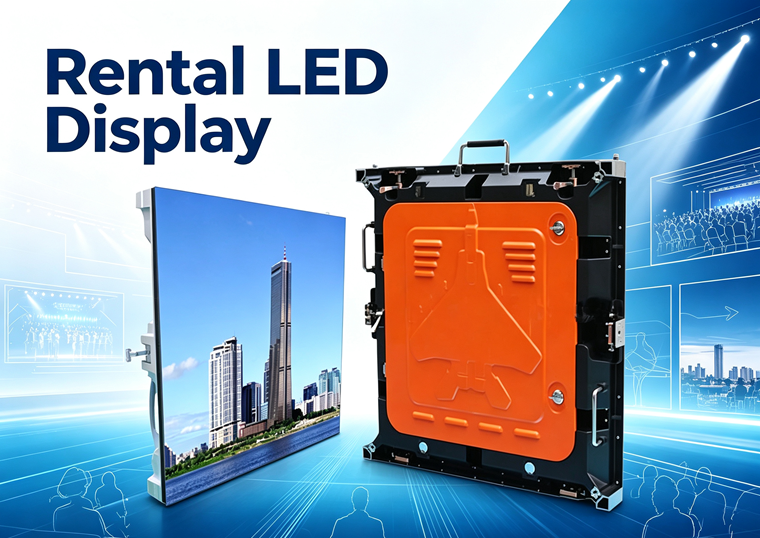
Indoor or Outdoor: How to Select Rental LED Display?
Rental LED displays are widely used in various temporary events such as performances, product launches, music festivals, and grand openings. Indoor and outdoor settings have significantly different requirements for screen performance; if the wrong model is selected, issues such as unclear images and equipment malfunctions can easily arise.
 09 2026-09
Installing Large Screens on Glass Curtain Walls? Why Do So Many Choose Transparent LED Displays?
When renovating glass curtain walls in shopping malls, office buildings, and retail stores, haven’t you struggled with choosing the right type of large screen? Traditional LED screens are bulky, block light, and obstruct natural lighting, while ordinary light boxes detract from a building’s aesthetic appeal and require the installation of complex steel frames—making renovations both troublesome and extremely costly.
 07 2026-09
Why Choose Transparent LED Screens First for Advertising on Shopping Mall Glass Curtain Walls?
Modern shopping malls make extensive use of glass curtain walls, which need to display commercial advertisements without compromising the building’s natural lighting or aesthetic appeal. Traditional LED screens are bulky and block light, obscuring indoor illumination and detracting from the building’s overall appearance. Transparent LED screens, however, effectively resolve this conflict, making them a popular choice for advertising on shopping mall glass curtain walls.
 01 2026-09
Why Is a Double-Sided LED Display Becoming a Smarter Choice for High-Impact Outdoor Advertising
When businesses need to reach audiences from multiple directions, the Double-Sided LED Display from Allenson provides a practical way to maximize advertising visibility without installing two separate display systems. Designed for outdoor commercial environments, this solution combines independent two-sided content, high brightness, weather resistance, flexible installation, and efficient digital content management.
 26 2026-08
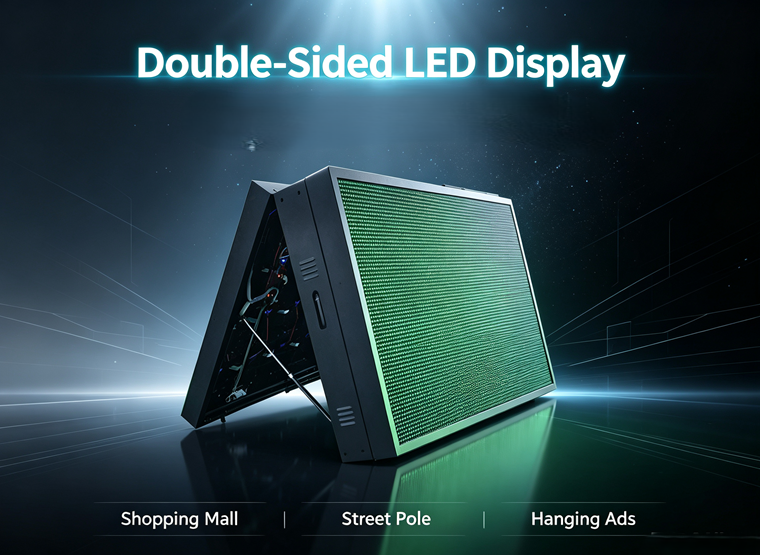
Having trouble choosing a double-sided LED display? Read this article to say goodbye to blind purchasing.
Don’t many businesses and project managers tend to run into pitfalls when purchasing double-sided LED displays? Some blindly pursue ultra-high brightness, leading to wasted energy; others choose the wrong installation style, resulting in displays that can’t be used after installation; and still others fail to distinguish between suspended and pole-mounted models, ultimately facing issues like image desynchronization, installation limitations, and water ingress failures outdoors.
 25 2026-08
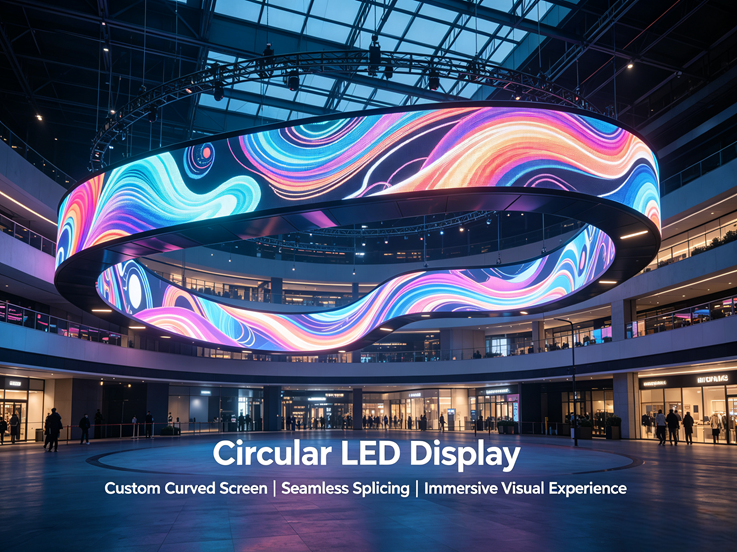
How to Choose a Custom-Shaped Large Screen? Key Considerations for Circular LED Display Applications and Selection
Today, exhibition halls, science museums, and commercial complexes all favor custom-shaped display designs. With their unique curved shapes, circular LED displays break free from the constraints of traditional rectangular screens to create highly impactful, immersive visual effects. However, since circular LED displays are custom-made non-standard products, many procurement and engineering teams often encounter pitfalls, such as large seams between panels, image distortion, poor installation fit, and difficulties with post-installation maintenance. To ensure a successful project outcome, it is essential to clearly understand the corresponding application scenarios and key selection criteria.