English
- English
- Español
- Português
- русский
- Français
- 日本語
- Deutsch
- tiếng Việt
- Italiano
- Nederlands
- ภาษาไทย
- Polski
- 한국어
- Svenska
- magyar
- Malay
- বাংলা ভাষার
- Dansk
- Suomi
- العربية
- हिन्दी
- Pilipino
- Türkçe
- Gaeilge
- Indonesia
- Norsk
- تمل
- český
- ελληνικά
- український
- Javanese
- فارسی
- தமிழ்
- తెలుగు
- नेपाली
- Burmese
- български
- ລາວ
- Latine
- Қазақша
- Euskal
- Azərbaycan
- Slovenský jazyk
- Македонски
- Lietuvos
- Eesti Keel
- Română
- Slovenski
- मराठी
- Srpski језик

News
Industry News
 2026-05-14
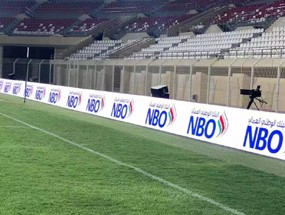
Why are LED displays the top choice for outdoor advertising screens?
On city streets, in commercial plazas, and along major thoroughfares, outdoor advertising screens have long been a vital medium for conveying information and capturing attention. From traditional billboards and neon signs to early LCD screens, outdoor advertising has undergone continuous evolution, and today, LED displays have become the mainstream choice for outdoor advertising.
 2026-04-28
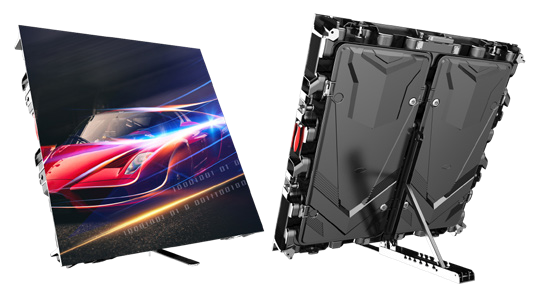
What protective features should a stadium LED display have?
Stadiums are typically open-air or semi-open environments that are constantly exposed to harsh conditions such as sunlight, wind, rain, temperature fluctuations, dust, and humidity throughout the year. They also experience high foot traffic, frequent use, and non-stop sporting events. Therefore, stadium LED display must be equipped with comprehensive protective features to ensure stable operation, extend service life, and reduce the rate of malfunctions and repairs. Below are insights shared by the ALSON editorial team.


 2026-04-25
What Maintenance Does Stadium LED Display Require?
Stadium LED displays operate outdoors for extended periods, enduring year-round exposure to wind, rain, sunlight, dust, and temperature fluctuations in complex and harsh environments. To ensure the stable operation of event broadcasts, advertising displays, and real-time score updates—while minimizing downtime and reducing replacement costs—it is crucial to implement systematic daily maintenance and regular inspections. Below are some insights from the ALSON editorial team.