English
- English
- Español
- Português
- русский
- Français
- 日本語
- Deutsch
- tiếng Việt
- Italiano
- Nederlands
- ภาษาไทย
- Polski
- 한국어
- Svenska
- magyar
- Malay
- বাংলা ভাষার
- Dansk
- Suomi
- العربية
- हिन्दी
- Pilipino
- Türkçe
- Gaeilge
- Indonesia
- Norsk
- تمل
- český
- ελληνικά
- український
- Javanese
- فارسی
- தமிழ்
- తెలుగు
- नेपाली
- Burmese
- български
- ລາວ
- Latine
- Қазақша
- Euskal
- Azərbaycan
- Slovenský jazyk
- Македонски
- Lietuvos
- Eesti Keel
- Română
- Slovenski
- मराठी
- Srpski језик

News
Why are LED displays the top choice for outdoor advertising screens?
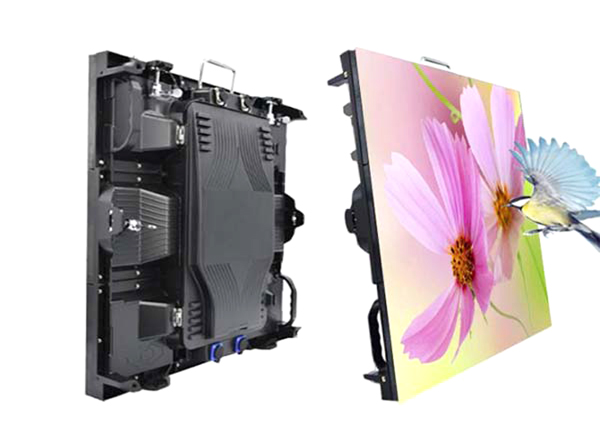
On city streets, in commercial plazas, and along major thoroughfares, outdoor advertising screens have long been a vital medium for conveying information and capturing attention. From traditional billboards and neon signs to early LCD screens, outdoor advertising has undergone continuous evolution, and today, LED displays have become the mainstream choice for outdoor advertising. Why are LED displays the top choice for outdoor advertising screens? The key lies in their four major advantages: display quality, environmental adaptability, cost-effectiveness, and flexibility—features that perfectly meet the demands of outdoor settings.

Outdoor lighting conditions are complex, with direct sunlight and backlight glare being the norm. Therefore, high definition, high brightness, and all-weather visibility are the primary requirements for outdoor advertising screens. LED displays utilize self-emitting technology, achieving brightness levels of 5,000–8,000 cd/m². They remain clearly visible and vividly colorful even under direct sunlight during the day, while automatically dimming at night to minimize light pollution. In contrast, LCD screens appear washed out and illegible in bright light, digital prints fade easily due to their static nature, and neon signs offer limited color options and coarse image quality. Full-color LED screens can smoothly play dynamic content such as videos and animations, delivering a stronger visual impact and far surpassing traditional advertising in terms of communication effectiveness.
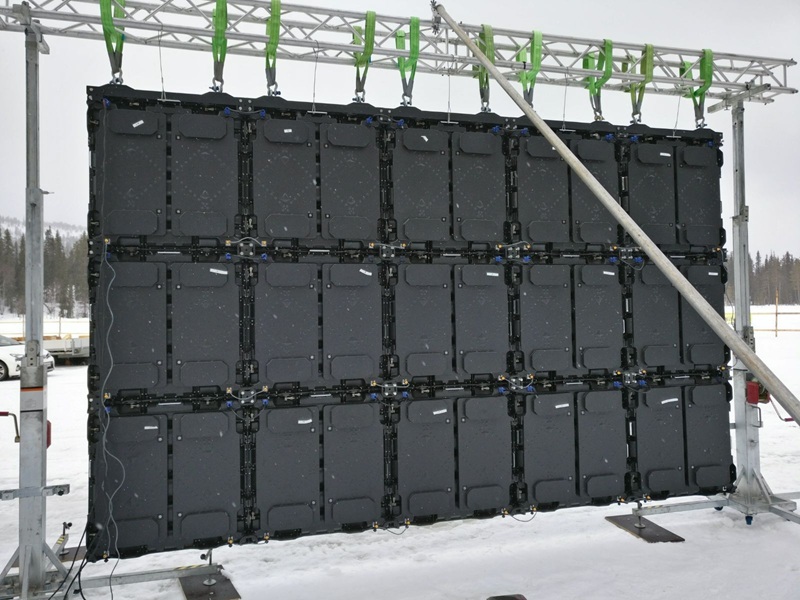
Outdoor environments are harsh, with high temperatures, heavy rain, dust storms, and freezing conditions being the norm; therefore, durability, stability, and reliability are critical. LED display cabinets are constructed from high-strength, waterproof materials with an IP65 or higher protection rating, offering resistance to water, dust, and lightning, and withstanding severe weather conditions; They are designed to operate within a temperature range of -30°C to +60°C, ensuring stable performance in both extreme heat and cold without screen blackouts or distortion. With a lifespan of 5 to 10 years—far exceeding the 2–3 years of LCD screens and the 6 months to 1 year of digital prints—they significantly reduce replacement frequency and guarantee 24/7 uninterrupted playback.
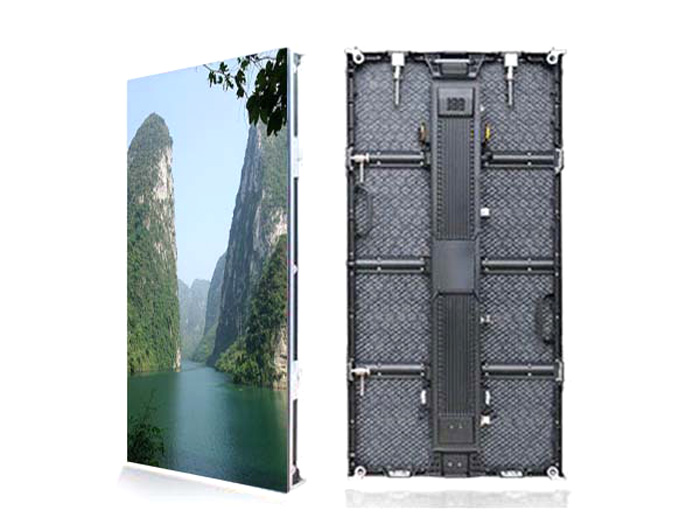
In terms of maintenance costs, LED displays are energy-efficient, low-consumption, easy to maintain, and offer excellent value for money. LED displays use energy-saving chips, consuming only 1/10 the power of neon signs and 1/3 that of LCD screens, resulting in significant long-term savings on electricity bills; their modular design facilitates easy repairs—a single faulty module does not require the entire unit to be replaced, and spare parts are inexpensive, keeping maintenance costs low. In contrast, digital prints require frequent replacement and incur high labor costs; neon signs and LCD screens consume high amounts of energy and are expensive to repair. When considering the total cost of ownership, LED displays offer far better value than traditional media.
Furthermore, LED displays offer flexible customization, smart functionality, and versatile applications. They can be customized to any size, featuring seamless splicing without black borders, ranging from a few square meters to hundreds of square meters. They support remote wireless control, allowing real-time content updates and scheduled power on/off via smartphones or computers, making them suitable for diverse scenarios such as advertising, public service announcements, and emergency notifications. They can also integrate with smart city systems to broadcast public information such as traffic conditions, weather updates, and government notices, combining commercial and public service value to enhance overall utilization.
Overall, with their four core advantages—high brightness and high definition, durability and stability, energy efficiency and low cost, and flexibility and intelligence—LED displays perfectly address the pain points of traditional outdoor advertising screens, making them the optimal choice for outdoor advertising. In the future, as technology advances, LED displays will continue to evolve toward greater energy efficiency, higher resolution, and greater intelligence, maintaining their leading position in the outdoor advertising industry.
Related News
- What are the advantages of purchasing outdoor LED displays directly from the manufacturer?
- How to Choose a Manufacturer for Stadium LED Displays: Key Tips for Avoiding Pitfalls in Project Procurement?
- How Do Stadium LED Displays Balance Viewing Quality and Durability?
- How to Choose an LED Floor Tile Display for Stage Interactions?
- What advantages can you gain by purchasing flexible LED displays directly from the manufacturer?
- What Makes Antibacterial Toilet Bowl Cleaner Essential for a Hygienic Bathroom?
Leave me a message