English
- English
- Español
- Português
- русский
- Français
- 日本語
- Deutsch
- tiếng Việt
- Italiano
- Nederlands
- ภาษาไทย
- Polski
- 한국어
- Svenska
- magyar
- Malay
- বাংলা ভাষার
- Dansk
- Suomi
- العربية
- हिन्दी
- Pilipino
- Türkçe
- Gaeilge
- Indonesia
- Norsk
- تمل
- český
- ελληνικά
- український
- Javanese
- فارسی
- தமிழ்
- తెలుగు
- नेपाली
- Burmese
- български
- ລາວ
- Latine
- Қазақша
- Euskal
- Azərbaycan
- Slovenský jazyk
- Македонски
- Lietuvos
- Eesti Keel
- Română
- Slovenski
- मराठी
- Srpski језик

News
Avoid These 4 Major Pitfalls When Purchasing LED Floor Tile Screens: Durability and Water Resistance Are Both Essential
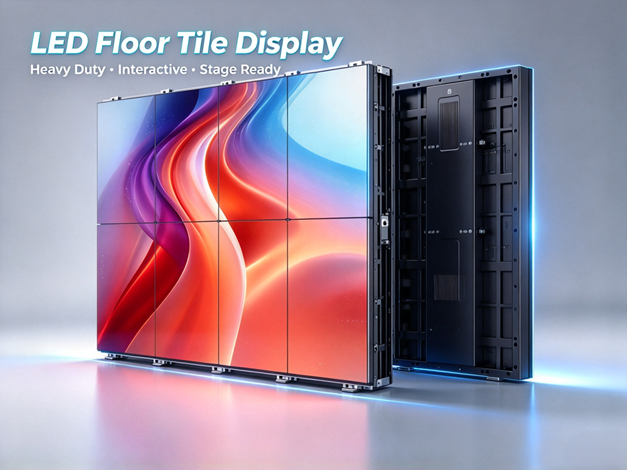
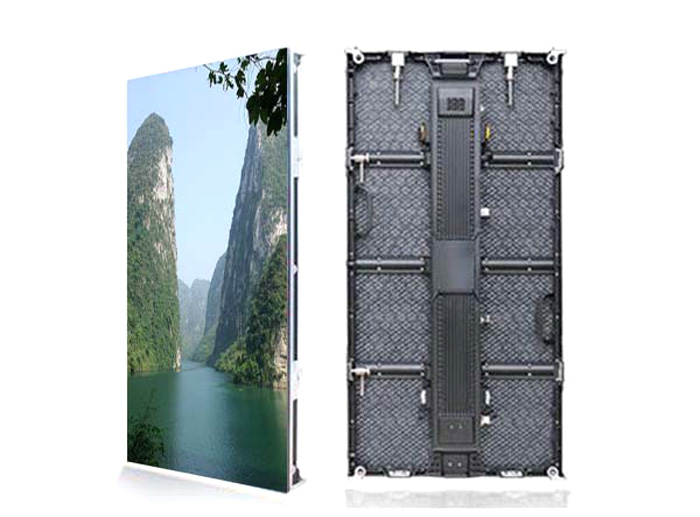
LED floor tile screens are widely used in influencer showrooms, cultural and tourism attractions, stage bars, and interactive photo spots in shopping malls, creating an immersive experience through foot-step sensors and dynamic visuals. Unlike ordinary wall-mounted large screens, floor tile screens are constantly subjected to foot traffic, friction, and water damage, placing extremely high demands on load-bearing capacity, wear resistance, waterproofing, and structural craftsmanship. Many projects later encounter issues such as cracked screens, water ingress causing black screens, slippery surfaces leading to delamination, and sensor malfunctions—most of which stem from pitfalls encountered during the procurement process. This article summarizes four key procurement pitfalls to help project buyers accurately avoid them.
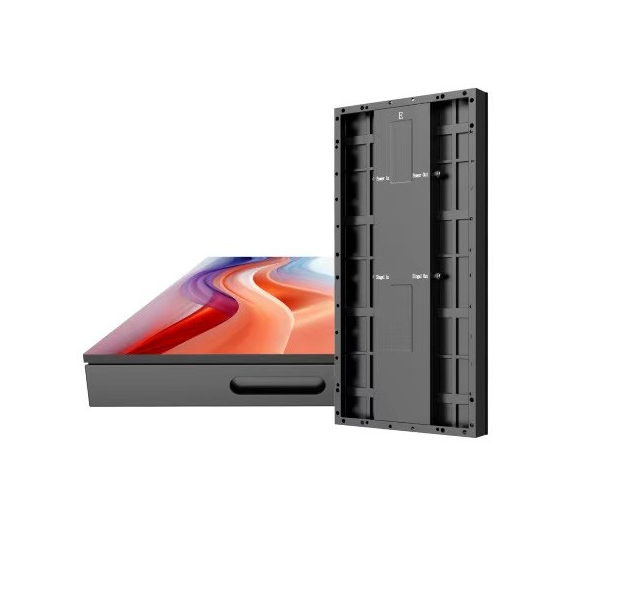
1: Focusing Only on Low Prices and Ignoring Misrepresented Load-Bearing Capacities Leads to Damage from Foot Traffic
Many low-cost LED floor tile screens use ordinary thin glass panels and simple frames, with inflated load-bearing specifications that fail to meet the demands of high-frequency foot traffic in commercial settings. Genuine commercial-grade LED floor tile screens must meet a load-bearing capacity of at least 1,000, capable of withstanding the movement of multiple people and light to moderate pressure from heavy objects. Substandard products are prone to glass cracking, cabinet deformation, and loose or detached LED chips when subjected to prolonged stress, which not only affects usability but also poses safety hazards. When purchasing, do not focus solely on unit price; you must verify the use of thickened tempered glass and authentic load-bearing specifications, and reject non-standard, low-spec screens.
2: Waterproof Rating Falls Short; Extremely Prone to Short Circuits and Black Screens When Exposed to Water
Water resistance is a core metric for LED floor tile screens and is also the area where manufacturers are most likely to cut corners. Indoor installations must meet IP65 protection standards, while outdoor settings—such as cultural tourism sites, night markets, and waterfront areas—must achieve IP67 or higher for comprehensive water resistance. Low-cost LED floor tile screens often feature only superficial waterproofing; without proper sealing at connectors and seams, moisture and standing water can easily seep into the cabinet, causing circuit corrosion, power supply failure, and a complete screen blackout. When purchasing, pay close attention to the module potting, waterproof connectors, and sealing gasket craftsmanship to avoid screens that are only partially waterproof.
3: Lack of Anti-Slip and Wear-Resistant Surface Treatment, Prone to Slipping, Peeling, and Scratches
Commercial LED floor tile screens are subjected to repeated foot traffic and friction. High-quality products feature a fine anti-slip texture and a wear- and scratch-resistant coating on the surface, offering excellent compression and abrasion resistance without leaving marks, thereby ensuring both safety and durability. Low-cost screens use ordinary smooth glass without anti-slip treatment, making them extremely slippery when wet and posing significant safety hazards. Additionally, their poor wear resistance leads to surface scratches, peeling, and delamination after only a short period of use, causing the display to appear blurry and yellowed, which severely compromises the presentation quality.
4. Neglecting Seamless Integration and Maintenance Design Leads to Extremely High Long-Term Operational Costs
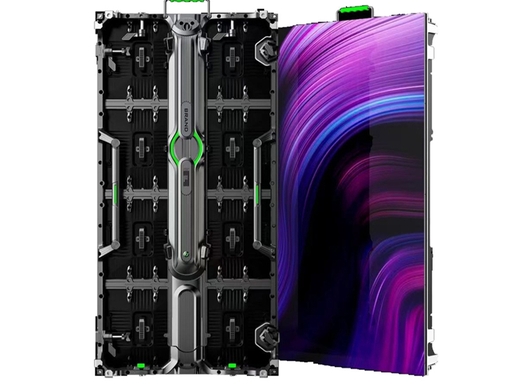
Substandard LED floor tile screens suffer from poor cabinet precision, resulting in visible gaps and image discontinuities after installation, as well as choppy and distorted dynamic interactive effects. Furthermore, most use a rear-maintenance design, requiring the entire unit to be disassembled in the event of damage, making repairs cumbersome, time-consuming, and labor-intensive. High-quality, engineering-grade floor tile screens support seamless splicing and precise color matching, ensuring a consistent overall image. They also feature a front-maintenance structure, allowing for the rapid replacement of individual modules in the event of a failure, which significantly reduces post-installation maintenance time and costs.
Choose Allenson, the direct manufacturer, to eliminate procurement risks at the source: Allenson specializes in the R&D and production of LED floor tile screens, with deep expertise in cultural tourism, commercial, and stage engineering applications. Our entire product line comes standard with thickened, slip-resistant tempered glass and high-load-bearing enclosures, ensuring durability, resistance to wear and tear, and resistance to cracking. The products feature high-standard waterproof sealing throughout, making them suitable for a wide range of indoor and outdoor applications and eliminating the risk of water ingress failures. The equipment offers high splicing precision, uniform and detailed visuals, sensitive touch response, and a smooth interactive experience.
Related News
- What are the advantages of purchasing outdoor LED displays directly from the manufacturer?
- How to Choose a Manufacturer for Stadium LED Displays: Key Tips for Avoiding Pitfalls in Project Procurement?
- How Do Stadium LED Displays Balance Viewing Quality and Durability?
- How to Choose an LED Floor Tile Display for Stage Interactions?
- What advantages can you gain by purchasing flexible LED displays directly from the manufacturer?
- What Makes Antibacterial Toilet Bowl Cleaner Essential for a Hygienic Bathroom?
Leave me a message