English
- English
- Español
- Português
- русский
- Français
- 日本語
- Deutsch
- tiếng Việt
- Italiano
- Nederlands
- ภาษาไทย
- Polski
- 한국어
- Svenska
- magyar
- Malay
- বাংলা ভাষার
- Dansk
- Suomi
- العربية
- हिन्दी
- Pilipino
- Türkçe
- Gaeilge
- Indonesia
- Norsk
- تمل
- český
- ελληνικά
- український
- Javanese
- فارسی
- தமிழ்
- తెలుగు
- नेपाली
- Burmese
- български
- ລາວ
- Latine
- Қазақша
- Euskal
- Azərbaycan
- Slovenský jazyk
- Македонски
- Lietuvos
- Eesti Keel
- Română
- Slovenski
- मराठी
- Srpski језик

News
Avoid the 3 Biggest Purchasing Pitfalls! A Guide to Choosing a Rental LED Display Manufacturer and Avoiding Pitfalls
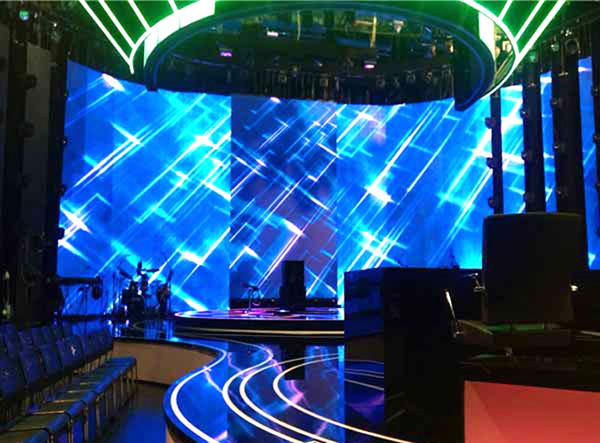
Rental LED displays are commonly used for temporary events such as performances, trade shows, weddings, and product launches, which require repeated assembly, disassembly, and transportation. This places extremely high demands on the sturdiness of the enclosures, the durability of components, and the stability of image quality. Many buyers focus solely on unit prices, making them highly susceptible to industry pitfalls. This article breaks down the three core procurement pitfalls to help media and event buyers avoid them effectively.
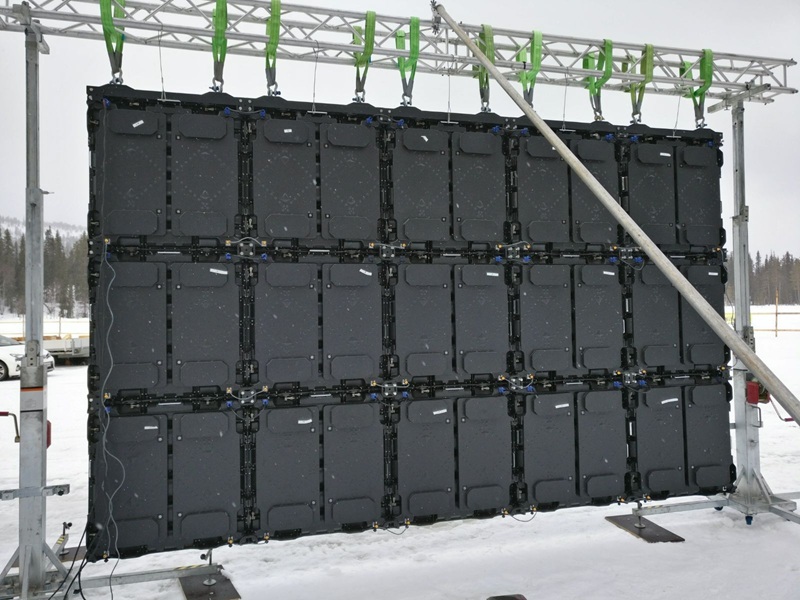
Pitfall 1: Blindly Comparing Low “Bare Screen” Prices, Hiding Config-Cutting Tactics
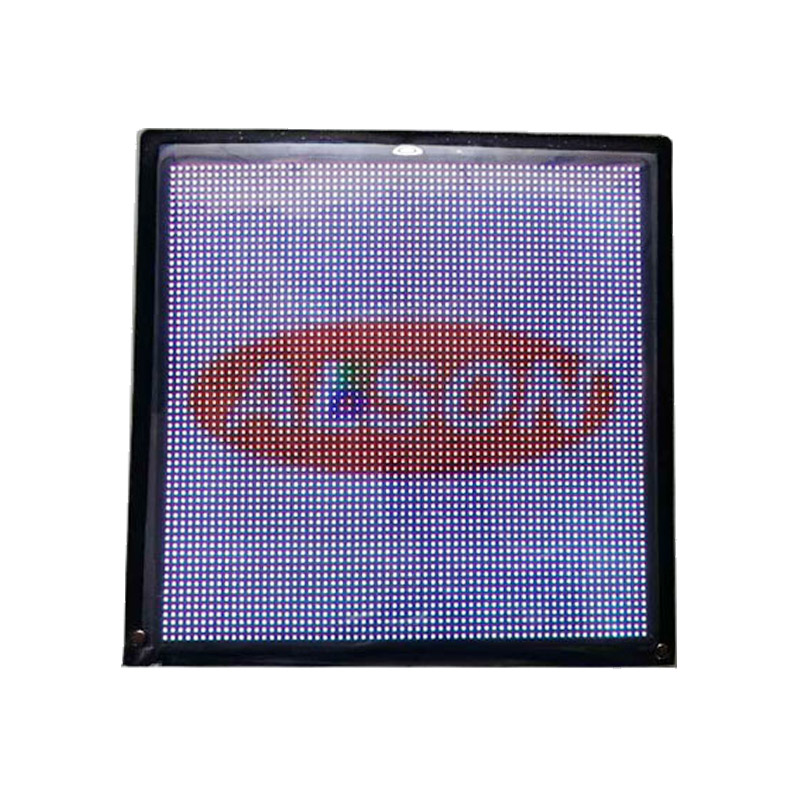
Many manufacturers use ultra-low prices per square meter to attract orders, only to cut corners on core components to reduce costs. They use recycled LED beads and unbranded, low-end chips, which may offer acceptable brightness in the short term but quickly develop dead pixels, color shifts, and color blocks after repeated assembly and disassembly; Power supplies are reduced in quantity or replaced with non-standard, low-wattage, no-name brands, making screen flickering, blackouts, or even screen burn-in highly likely at event venues—which can cause live event broadcasts to go awry.
Additionally, quotes often cover only the display panels themselves, with all subsequent costs—including the control system, receiver cards, aviation-grade cables, transportation and packaging, and post-installation debugging—billed separately. The total cost ends up far exceeding the all-inclusive quote from a reputable manufacturer.
How to Avoid This Pitfall: When purchasing Rental LED Displays, always request a complete configuration list specifying the brands and models of the LEDs, power supplies, and driver ICs. Verify the all-inclusive turnkey price for the entire system and refuse any split invoices with hidden
surcharges.
Pitfall 2: Substandard Cabinet Craftsmanship Leaves Fatal Flaws During Assembly and Disassembly
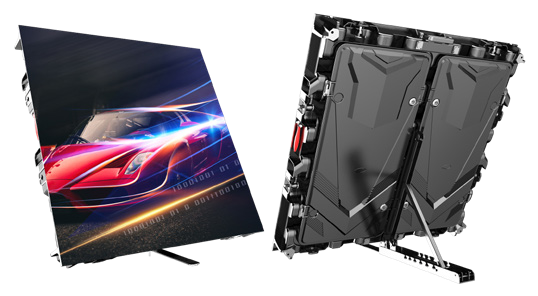
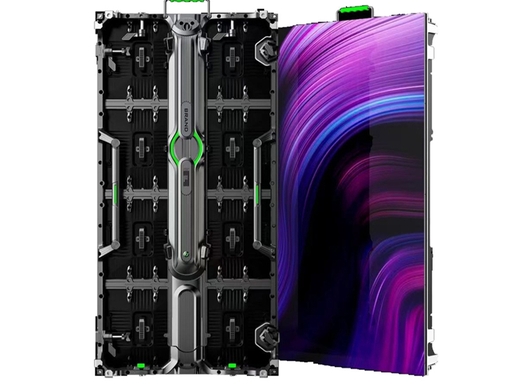
The core advantage of rental LED displays is rapid assembly and seamless splicing. Poor-quality die-cast aluminum cabinet molds suffer from low precision and excessive tolerances; when multiple cabinets are joined, noticeable black gaps or bright lines appear that cannot be corrected by software. The materials used for cabinet latches are flimsy, making them highly prone to breaking or deforming during repeated disassembly and assembly; after being bumped during handling, the cabinets may warp and fail to align properly. Low-cost products omit the PCB reinforcement process, leading to loose solder joints and LED drop-offs during frequent disassembly. Outdoor models often lack the three-proof (waterproof, dustproof, and shockproof) and moisture-resistant coatings, causing modules to fail immediately upon exposure to moisture.
How to Avoid These Pitfalls: Test-assemble a sample on-site to inspect the seams, test the tightness of the latches when opening and closing, confirm that the enclosures are made of thickened die-cast aluminum, and ensure outdoor models include moisture-proof and corrosion-resistant treatments.
Pitfall 3: No After-Sales Support; Small-Scale Manufacturers Disappear After Sale
Some small-scale manufacturers do not maintain a stock of spare parts, leading to shortages when screens malfunction and repair cycles lasting up to several weeks; they lack a dedicated technical team and cannot provide on-site technical support for large-scale events. Many manufacturers only offer verbal warranty promises, with contracts that are vague regarding rights and responsibilities. They may refuse to honor warranties for damage caused by normal installation and disassembly, and later quotes for repairing individual modules can be exorbitant—resulting in long-term maintenance costs that far exceed the price difference between the unit and a new one.
How to Avoid This Pitfall: Prioritize manufacturers with their own production lines. Ensure warranty duration, after-sales response times, and spare screen support plans are clearly stated in writing, and confirm the availability of nearby service centers.
Choose Allenson, a manufacturer with its own production lines, to avoid procurement risks from the source: Allenson’s entire series of Rental LED Displays are produced using in-house molds. Mainstream rental specifications—including standard P2.976 and P3.91—are in full-scale mass production. The cabinets are precision die-cast as a single piece, reinforced with locking clips to withstand drops and handling, and remain perfectly aligned even after thousands of disassemblies and reassemblies. The entire unit utilizes top-tier LED chips and fully certified power supplies. Each unit undergoes a 72-hour burn-in test before leaving the factory, and outdoor models come standard with IP67-rated protection, making them suitable for a wide range of indoor and outdoor event scenarios.
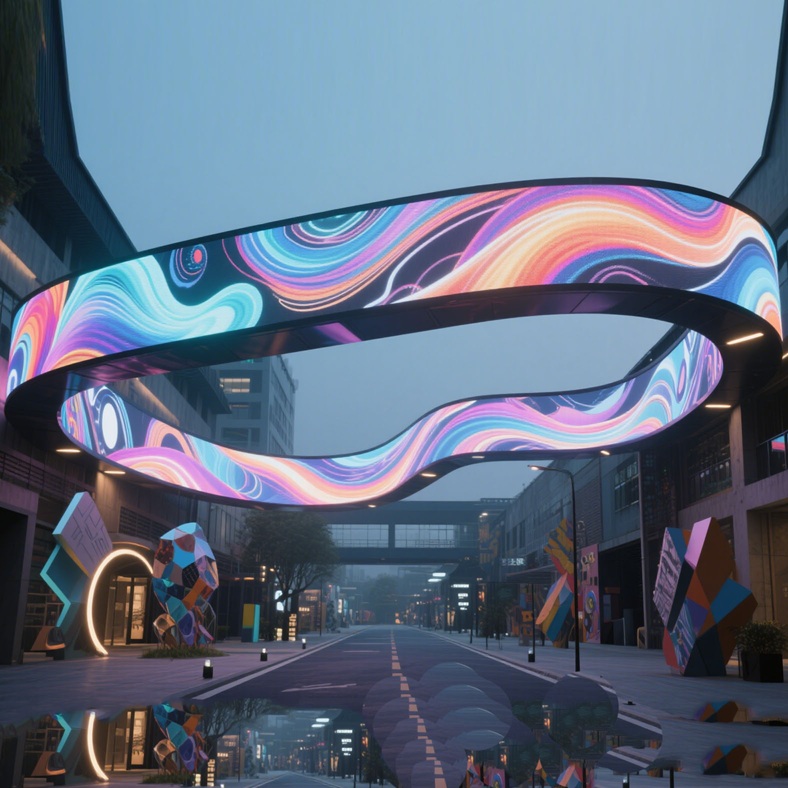
We provide free solution proposals and on-site project assessments. Our full-service quotes are transparent with no hidden fees, and we support custom-shaped and curved rental screens for bulk purchases. We maintain a large inventory of modules, power supplies, and accessories, and offer on-site technical commissioning and emergency after-sales service nationwide. On-site technical support is available for events. With a comprehensive warranty system and stable long-term supply, we eliminate middleman markups, making the procurement of Rental LED Display hassle-free and ensuring a faster return on investment.
Related News
- What are the advantages of purchasing outdoor LED displays directly from the manufacturer?
- How to Choose a Manufacturer for Stadium LED Displays: Key Tips for Avoiding Pitfalls in Project Procurement?
- How Do Stadium LED Displays Balance Viewing Quality and Durability?
- How to Choose an LED Floor Tile Display for Stage Interactions?
- What advantages can you gain by purchasing flexible LED displays directly from the manufacturer?
- What Makes Antibacterial Toilet Bowl Cleaner Essential for a Hygienic Bathroom?
Leave me a message