English
- English
- Español
- Português
- русский
- Français
- 日本語
- Deutsch
- tiếng Việt
- Italiano
- Nederlands
- ภาษาไทย
- Polski
- 한국어
- Svenska
- magyar
- Malay
- বাংলা ভাষার
- Dansk
- Suomi
- العربية
- हिन्दी
- Pilipino
- Türkçe
- Gaeilge
- Indonesia
- Norsk
- تمل
- český
- ελληνικά
- український
- Javanese
- فارسی
- தமிழ்
- తెలుగు
- नेपाली
- Burmese
- български
- ລາວ
- Latine
- Қазақша
- Euskal
- Azərbaycan
- Slovenský jazyk
- Македонски
- Lietuvos
- Eesti Keel
- Română
- Slovenski
- मराठी
- Srpski језик

News
From Niche to Mainstream: Why Did LED Curved Screens Rise So Rapidly?
Driven by both the iterative advancement of display technology and increasingly diverse application scenarios, LED irregular-shaped screens have gradually broken free from the limitations of traditional rectangular display devices, emerging as a new choice for commercial exhibitions, cultural entertainment, public services, and other fields. Their rapid rise is no coincidence—it stems from the precise alignment of technological breakthroughs with market demands, further catalyzing a series of innovative application models for scenario-based displays. Below is a sharing from the AllenSon editorial team.

I. Core Appeal: Technological Breakthroughs Shatter Form Limitations
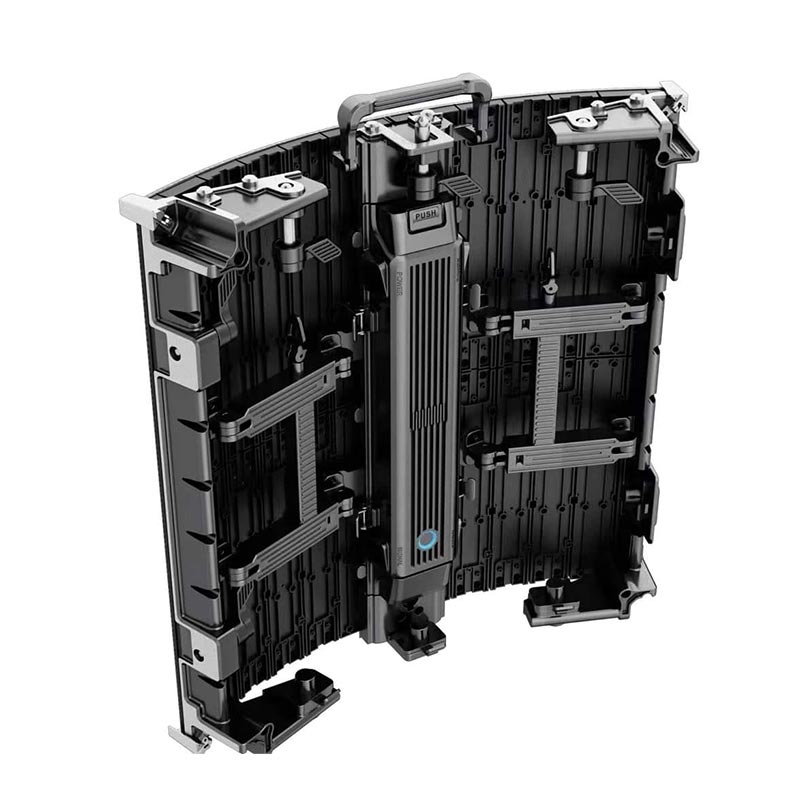
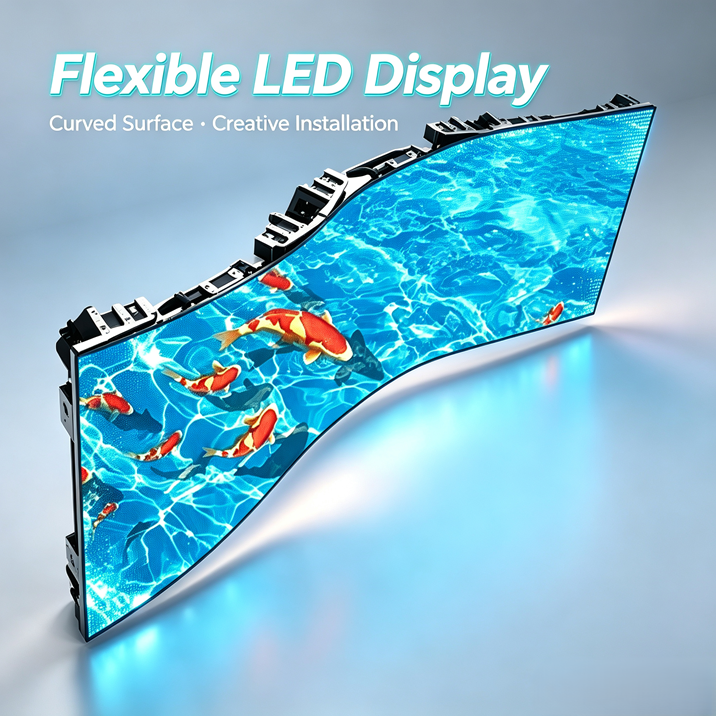
The widespread adoption of LED irregular-shaped screens hinges first on continuous display technology evolution. Early conventional LED screens struggled with flexible designs due to module structures and drive methods. However, the maturation of small-pitch LED technology and the development of flexible modules have significantly lowered barriers to form customization. Flexible LED modules can bend to different curvatures, adapting to curved surfaces like arcs and circles. Modular designs support seamless assembly into any size or shape—from simple triangles and polygons to complex brand logos and artistic forms—all reproduced with precision.
Simultaneously, advancements in image processing technology bolster irregular-shaped displays. Dedicated video processors perform non-linear correction to resolve image stretching and distortion inherent in irregular structures, ensuring uniform display quality from all viewing angles. Furthermore, enhanced LED chip brightness and refresh rates enable these displays to meet indoor demands. With waterproofing, wind resistance, and other protective enhancements, they now reliably operate in challenging outdoor environments, significantly expanding their applicability.
II. Demand Drivers: Dual Imperatives of Contextual Marketing and Spatial Aesthetics
(1) Commercial Settings: Creating Eye-Catching Visual Focal Points
In the fiercely competitive commercial landscape, uniquely shaped LED displays have become the “traffic secret code.” In shopping malls, custom-shaped screens modeled after brand logos or product forms instantly capture consumer attention and reinforce brand recognition. Curved or irregular screens in storefronts complement product displays, using dynamic visuals to create immersive shopping atmospheres that stimulate purchasing desire. For example, beauty brand stores employ circular LED screens encircling display areas, dynamically showcasing product application effects. This allows consumers to intuitively experience product appeal, proving more compelling than traditional posters.
In outdoor advertising, unconventional screens overcome visual fatigue from conventional ads. Curved LED displays integrated into building facades blend with architectural structures, projecting dynamic content that complements the building's style to become iconic urban landmarks. Creative screens at intersections capture pedestrian attention with novel shapes, boosting advertising effectiveness.
(2) Cultural & Entertainment Settings: Elevating Immersive Experiences
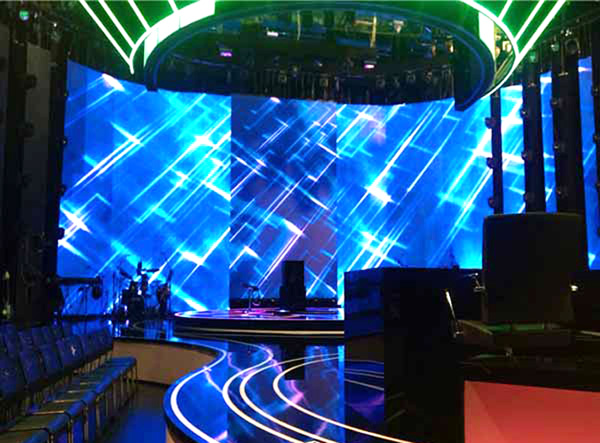
In stage performances and cultural tourism light shows, LED irregular-shaped screens have become core equipment for enhancing the immersive experience. On concert stages, irregularly assembled LED screens can change shapes in sync with the performance rhythm, combining with lighting and sound effects to create an immersive performance space. In cultural tourism projects, custom-shaped screens that blend seamlessly with natural landscapes integrate light and shadow content with the environment, creating nighttime cultural tourism highlights. For instance, curved LED screens installed along the waterways of certain ancient towns display traditional folk animations, allowing visitors to experience cultural charm during nighttime tours.
In exhibition halls and galleries, irregular screens can be customized to match exhibit characteristics. Science museums employ irregularly assembled screens to construct futuristic spaces, enabling real-time audience interaction with displays through interactive technology. Art galleries utilize curved screens to present artworks, breaking the limitations of traditional exhibition methods and delivering a novel viewing experience.
(3) Public Spaces: Balancing Practicality and Aesthetic Value
In public spaces like airports, high-speed rail stations, and office buildings, LED curved screens achieve a harmonious blend of functionality and aesthetics. Curved directional displays in airports clearly show flight information while complementing spatial design aesthetics, elevating the venue's sophistication. Custom-shaped screens in office lobbies broadcast corporate culture and investment opportunities, doubling as decorative elements that showcase corporate identity. Public facilities in some cities (e.g., bus stops) also adopt irregular screens, providing convenient information while becoming part of the urban landscape.
In summary, the rise of LED irregular-shaped displays signifies the display industry's shift from “standardized supply” to “customized adaptation.” Looking ahead, as flexible and transparent display technologies mature further, LED irregular-shaped displays will achieve value upgrades across more specialized scenarios, continuing to lead the trend in scenario-based display solutions.
Related News
- What are the advantages of purchasing outdoor LED displays directly from the manufacturer?
- How to Choose a Manufacturer for Stadium LED Displays: Key Tips for Avoiding Pitfalls in Project Procurement?
- How Do Stadium LED Displays Balance Viewing Quality and Durability?
- How to Choose an LED Floor Tile Display for Stage Interactions?
- What advantages can you gain by purchasing flexible LED displays directly from the manufacturer?
- What Makes Antibacterial Toilet Bowl Cleaner Essential for a Hygienic Bathroom?
Leave me a message