English
- English
- Español
- Português
- русский
- Français
- 日本語
- Deutsch
- tiếng Việt
- Italiano
- Nederlands
- ภาษาไทย
- Polski
- 한국어
- Svenska
- magyar
- Malay
- বাংলা ভাষার
- Dansk
- Suomi
- العربية
- हिन्दी
- Pilipino
- Türkçe
- Gaeilge
- Indonesia
- Norsk
- تمل
- český
- ελληνικά
- український
- Javanese
- فارسی
- தமிழ்
- తెలుగు
- नेपाली
- Burmese
- български
- ລາວ
- Latine
- Қазақша
- Euskal
- Azərbaycan
- Slovenský jazyk
- Македонски
- Lietuvos
- Eesti Keel
- Română
- Slovenski
- मराठी
- Srpski језик

News
Can LED irregular-shaped screens support partial illumination?
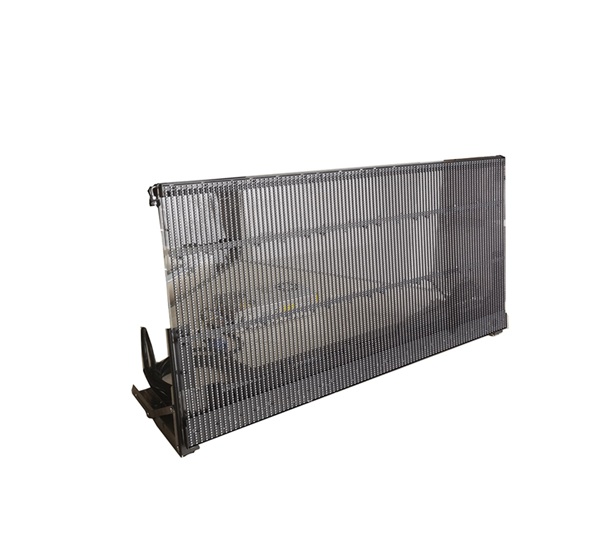
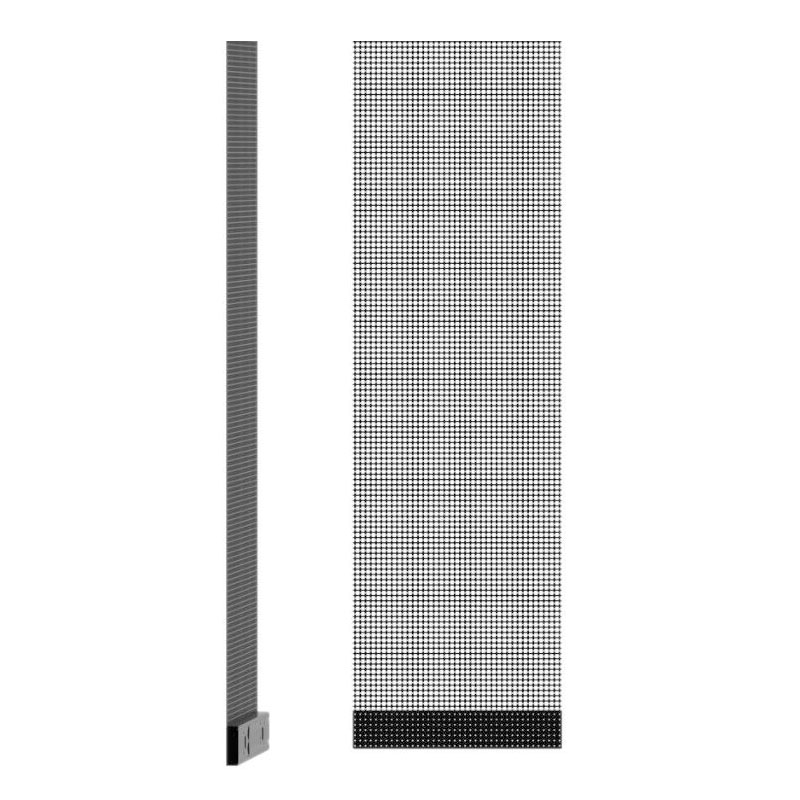
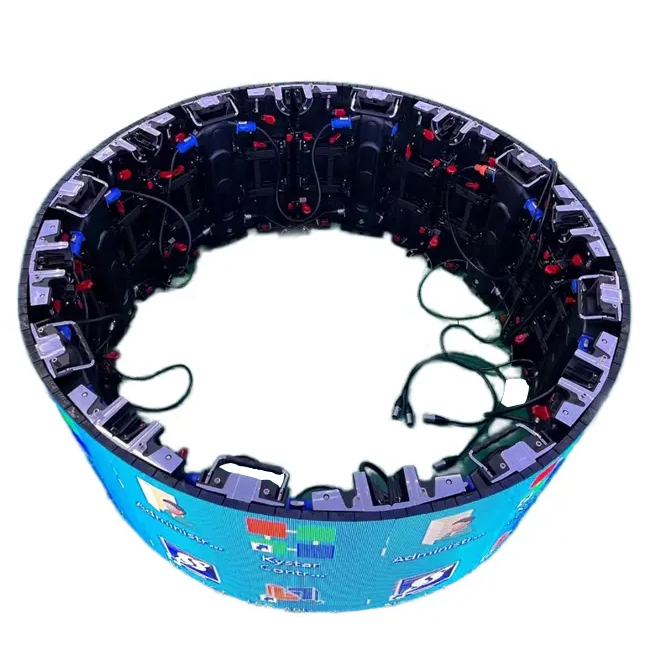
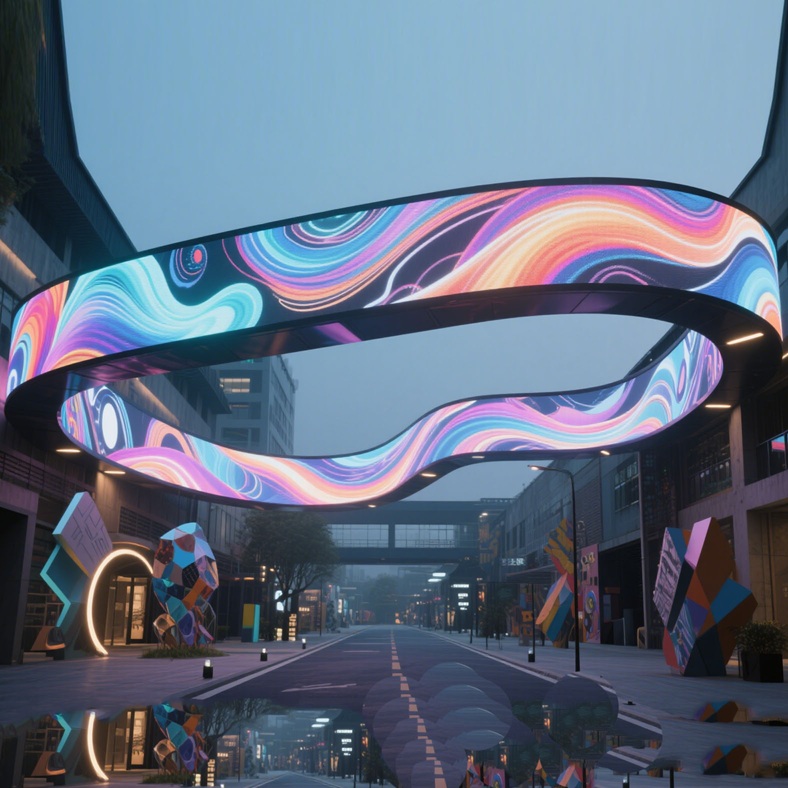
In diverse settings like immersive exhibition halls, commercial district beautification, and stage design, the partial lighting capability of LED irregular-shaped screens is crucial for enhancing creative expression and energy efficiency. The answer is unequivocal: LED irregular-shaped screens fully support partial lighting. Furthermore, targeted technical optimizations have been implemented for special structures such as arcs, spheres, and irregular shapes, enabling precise alignment with the display requirements of irregular-shaped scenarios.
LED irregular-shaped screens support partial lighting, which is one of their core advantages for adapting to diverse scenarios. The implementation logic aligns with conventional LED screens while incorporating targeted optimizations for irregular structures.

I. Implementation Principle of Partial Lighting
Zone Control Technology: The control card for LED irregular-shaped screens supports pixel-level or module-level zone management. Using dedicated software, the screen is divided into multiple independent display zones. Illumination commands can be issued to a specific zone while keeping the rest of the screen off.
Non-Standard Structure Adaptation: For curved, spherical, or irregularly shaped displays, the control software pre-loads the screen's dimensions, curvature, and module layout data. This ensures that partial illumination does not cause misalignment or distortion due to structural irregularities.
Driving Method Support: Whether using constant-current or common-cathode driving for irregular screens, single-area power supply is achievable by adjusting drive currents. This prevents current interference to other areas during partial illumination.
II. Applicable Scenarios for Partial Illumination
Energy Efficiency: In exhibition halls, commercial districts, and similar settings where full-screen display isn't required, illuminating only core promotional areas reduces power consumption by 30%-60%. This is particularly suited for low-brightness nighttime operation.
Creative Interactive Displays: Spherical screens can illuminate specific “latitude bands” to simulate planetary orbits, while curved screens enable segmented lighting for flowing light effects, enhancing immersive experiences.
Fault Contingency: If a module in a specific zone malfunctions, only the affected area can be isolated and turned off while the rest remain illuminated, preserving the overall display effect.
III. Operational Precautions
Pre-define Zones: Pre-allocate display zones within the control software based on the screen's shape to prevent image distortion during partial illumination.
Avoid prolonged single-point illumination: Continuously lighting a specific area accelerates LED aging. Periodically rotate illuminated zones or enable dynamic switching modes.
Rental Screen Functionality Verification: Some low-end rental LED irregular-shaped screens may have simplified zone control functions. Test partial illumination effects before purchasing or renting.
However, three operational precautions must be observed: First, pre-define display zones in the control software based on the screen's shape to prevent image distortion. Second, avoid prolonged static illumination of any single zone to prevent accelerated LED aging; regular rotation of illuminated zones is recommended. Third, test this functionality before purchasing rental screens, as some low-end products may feature simplified zone control modules.
In summary, local dimming is not only a standard feature of LED irregular-shaped screens but also a core advantage that enhances adaptability to unconventional spaces and operational flexibility. Proper utilization of this function reduces operational costs while expanding creative display possibilities, enabling differentiated visual experiences across diverse scenarios.
Related News
- What are the advantages of purchasing outdoor LED displays directly from the manufacturer?
- How to Choose a Manufacturer for Stadium LED Displays: Key Tips for Avoiding Pitfalls in Project Procurement?
- How Do Stadium LED Displays Balance Viewing Quality and Durability?
- How to Choose an LED Floor Tile Display for Stage Interactions?
- What advantages can you gain by purchasing flexible LED displays directly from the manufacturer?
- What Makes Antibacterial Toilet Bowl Cleaner Essential for a Hygienic Bathroom?
Leave me a message